The Complete UK Business Startup Guide for Expats sets the stage for expats looking to venture into the UK business landscape, offering a comprehensive roadmap to navigate challenges and seize opportunities effectively.
From legal requirements to marketing strategies, this guide equips expats with the essential knowledge and tools needed to establish a thriving business in the UK.




Overview of UK Business Startup Guide for Expats: The Complete UK Business Startup Guide For Expats
Starting a business in a new country can be a daunting task, especially for expats who may not be familiar with the local regulations, culture, and business practices. A comprehensive guide tailored specifically for expats looking to start a business in the UK can provide invaluable support and guidance throughout the process.
Significance of a Comprehensive Guide
Setting up a business in a foreign country comes with its own set of challenges and complexities. Expats face unique hurdles such as navigating legal requirements, understanding tax obligations, and adapting to a new business environment. A comprehensive startup guide can help expats streamline the process, avoid costly mistakes, and ensure compliance with local laws.
Key Challenges for Expats, The Complete UK Business Startup Guide for Expats
Legal and Regulatory Compliance
Expats may struggle to understand the legal framework governing businesses in the UK, including company registration, licensing, and permits.
Cultural Differences
Adapting to a new business culture, communication styles, and etiquette can be challenging for expats.
Financial Management
Expats may find it difficult to navigate the UK’s tax system, manage finances, and access funding opportunities.
Market Research
Conducting thorough market research and understanding the competitive landscape in the UK market can be a hurdle for expats.
Essential Components of a Complete Startup Guide
Legal Requirements
Detailed information on company registration, permits, licenses, and other legal obligations.
Taxation Guidelines
Clear explanations of tax liabilities, VAT registration, and compliance with HMRC regulations.
Business Culture Insights
Tips on networking, communication, and building relationships in the UK business environment.
Financial Planning
Guidance on managing finances, accessing funding, and creating a viable business plan.
Market Analysis
Tools and resources for conducting market research, identifying target markets, and understanding consumer behavior in the UK.
Legal Requirements and Regulations
Starting a business in the UK as an expat involves navigating through a specific legal framework that Artikels the requirements and regulations that must be followed. It is essential for expats to understand the procedures involved in registering a business, obtaining permits, and licenses to ensure compliance with the law.
Registration Process
The process of registering a business in the UK typically involves choosing a business structure, registering with the appropriate authorities, and fulfilling any necessary legal obligations. Expats can choose from different business structures such as sole proprietorship, partnership, or limited company.
It is important to research and select the most suitable structure based on the nature and scale of the business.
Permits and Licenses
Expats looking to start a business in the UK may need to obtain specific permits and licenses depending on the nature of their business activities. For instance, businesses in certain industries such as food, healthcare, or finance may require additional licenses to operate legally.
It is crucial for expats to identify the permits and licenses relevant to their business operations and ensure they are obtained before commencing business activities.
Specific Regulations and Restrictions
Expats need to be aware of specific regulations and restrictions that may apply to them when starting a business in the UK. For example, there are regulations related to employment, taxation, data protection, and health and safety that must be adhered to.
Expats should seek professional advice to understand these regulations and ensure compliance to avoid any legal issues in the future.
Business Planning and Market Research
Effective business planning and thorough market research are essential components for expats looking to establish a successful venture in the UK market. These processes help expats understand the competitive landscape, identify opportunities, and mitigate risks, ultimately increasing their chances of success.
Key Elements of a Business Plan for Expats
Creating a solid business plan tailored for expats entering the UK market involves several key elements that should be included to ensure a comprehensive and strategic approach:
- Executive Summary: A concise overview of the business idea, goals, and strategies.
- Business Description: Detailed information about the products or services offered and the target market.
- Market Analysis: Research on the industry, target market, and competitors to identify opportunities and challenges.
- Marketing Strategy: Plans for promoting the business, acquiring customers, and building brand awareness.
- Operational Plan: Details on how the business will operate, including production, logistics, and staffing.
- Financial Projections: Forecasts of revenue, expenses, and profitability to assess the financial viability of the business.
- Risk Management: Strategies to mitigate potential risks and challenges that may impact the business.
It is crucial for expats to have a well-thought-out business plan that Artikels their goals, strategies, and financial projections to guide their operations and decision-making.
Conducting Market Research in the UK
Market research specific to the UK business environment is vital for expats to gain insights into consumer behavior, market trends, and competitive dynamics. Here are some strategies for conducting effective market research:
- Identify Target Market: Define the characteristics of the target audience, including demographics, preferences, and buying behavior.
- Competitor Analysis: Evaluate the strengths and weaknesses of competitors in the UK market to identify opportunities for differentiation.
- Trend Analysis: Stay updated on market trends, consumer preferences, and industry developments to adapt strategies accordingly.
- Customer Surveys: Gather feedback from potential customers through surveys or focus groups to understand their needs and preferences.
- Industry Reports: Utilize industry reports and market studies to gain valuable insights into market dynamics and potential opportunities.
Financial Considerations and Funding Options
Starting a business in the UK as an expat involves careful consideration of various financial aspects. From initial startup costs to ongoing expenses, managing finances effectively is crucial for the success of your venture. In addition, exploring different funding options can help you secure the necessary capital to get your business off the ground.
Funding Options for Expats
When it comes to funding your business in the UK, expats have several options to consider. These can include traditional bank loans, government grants, or seeking investments from venture capitalists or angel investors. Each option comes with its own set of advantages and considerations, so it’s essential to explore all possibilities and choose the one that best aligns with your business goals and financial situation.
- Bank Loans: Securing a loan from a financial institution is a common way to fund a business. However, expats may face additional challenges due to their non-resident status. It’s important to research banks that are expat-friendly and understand their specific requirements.
- Government Grants: In the UK, there are various grants available for small businesses, including those started by expats. These grants can provide a valuable source of funding without the need to repay the money. Researching and applying for relevant grants can help offset startup costs.
- Investors: Seeking investment from venture capitalists or angel investors is another option for expats looking to fund their business. This route involves pitching your business idea to potential investors and convincing them of its potential for growth and profitability.
Managing Finances Effectively
Effective financial management is essential for any business, especially for expats starting a venture in a new country. Here are some tips for managing finances effectively and budgeting for startup costs:
- Create a detailed business plan that includes a financial forecast to estimate your startup costs, monthly expenses, and projected revenue.
- Track your expenses meticulously and keep a close eye on cash flow to ensure you stay within budget and can cover any unexpected costs.
- Consider hiring a professional accountant or financial advisor to help you navigate the complexities of UK tax laws and financial regulations.
- Explore cost-saving measures, such as negotiating with suppliers for better deals, outsourcing non-core functions, or utilizing technology to streamline operations.
Marketing and Branding Strategies
In today’s competitive business landscape, effective marketing and branding strategies are crucial for expats looking to establish and grow their businesses in the UK. By understanding the market, targeting the right audience, and creating a strong brand presence, expats can increase their visibility and attract customers.
Effective Marketing Strategies
To successfully promote their business in the UK, expats can utilize a mix of traditional and digital marketing strategies. This includes creating a strong online presence through social media platforms, search engine optimization (), and targeted online advertising. Additionally, networking events, partnerships with local businesses, and community outreach can help expats reach their target market effectively.
Importance of Branding
Branding plays a significant role in how a business is perceived by customers. Expats can establish a strong brand presence by defining their unique value proposition, creating a memorable logo and visual identity, and delivering a consistent brand message across all marketing channels.
Building a reputable brand can help expats differentiate themselves from competitors and build trust with customers.
Successful Marketing Campaigns
One example of a successful marketing campaign targeted towards expats is Airbnb’s “Live There” campaign. This campaign focused on showcasing local experiences and connecting travelers with authentic cultural experiences, resonating with expats and travelers alike. By understanding the needs and preferences of their target audience, Airbnb was able to create a compelling marketing campaign that drove engagement and brand loyalty.
Networking and Building Relationships

Networking and building relationships are crucial aspects for expats navigating the UK business landscape. Establishing connections with other businesses and professionals not only opens doors to opportunities but also provides valuable insights and support in a new market.
The Significance of Networking for Expats
Networking for expats in the UK is essential for several reasons:
- Access to valuable resources and information: Networking allows expats to tap into local knowledge, industry trends, and potential business leads.
- Building credibility and trust: Establishing relationships with other businesses and professionals helps expats build credibility and trust within the UK market.
- Opportunities for collaboration: Networking opens up possibilities for collaboration, partnerships, and new business ventures.
Tips for Building Meaningful Relationships
To build meaningful relationships with other businesses and professionals in the UK, expats can consider the following tips:
- Attend networking events: Participating in industry-specific events, conferences, and seminars provides opportunities to meet like-minded individuals and potential collaborators.
- Join industry associations: Becoming a member of industry associations or professional organizations can help expats connect with key players in their field.
- Utilize online platforms: Leveraging social media, professional networking sites, and online forums can facilitate networking and relationship-building with a wider audience.
The Role of Networking Events and Online Platforms
Networking events and online platforms play a significant role in expanding business connections for expats:
- Networking events offer face-to-face interactions, allowing expats to establish personal connections and create a lasting impression.
- Industry associations provide a platform for expats to engage with industry peers, share knowledge, and stay updated on industry developments.
- Online platforms offer a convenient way to connect with professionals globally, expand networks, and showcase expertise through digital channels.
Last Recap
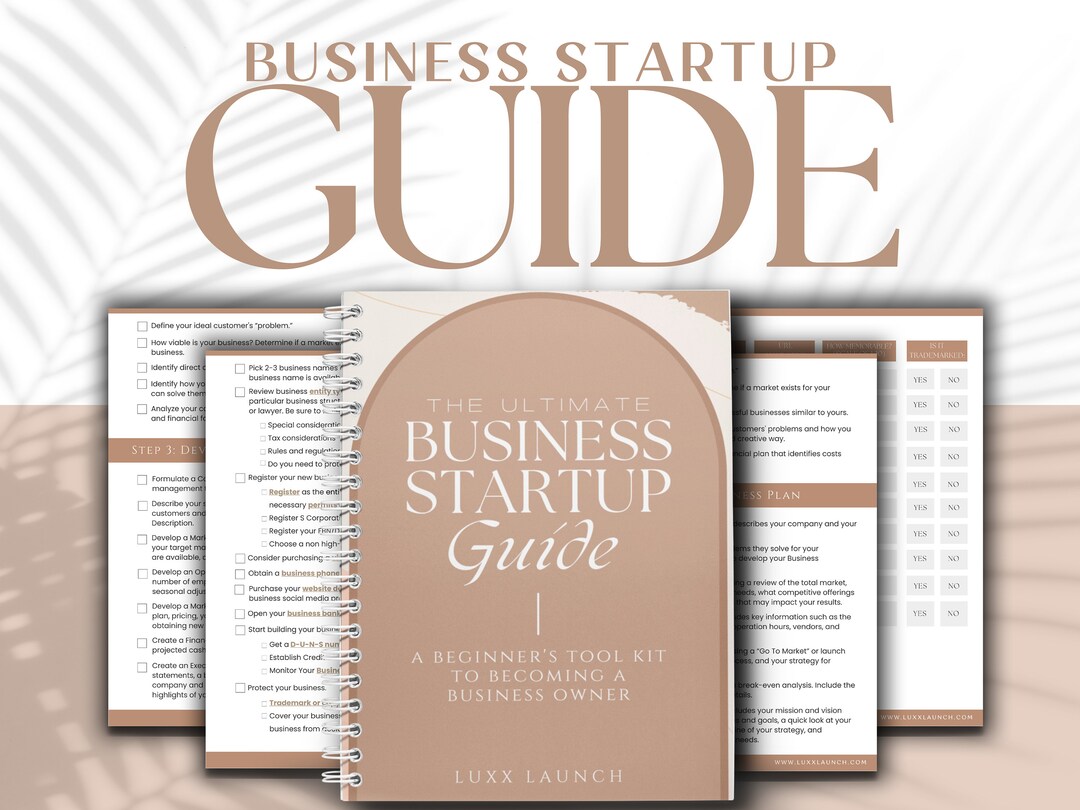
In conclusion, The Complete UK Business Startup Guide for Expats is your go-to resource for a successful business launch in the UK, providing invaluable insights and strategies to help you flourish in a new entrepreneurial journey.
Questions and Answers
What are some common legal challenges expats face when starting a business in the UK?
Expats may encounter issues related to visa requirements, company registration, and understanding local tax laws.
How can expats secure funding for their UK startup?
Expats can explore options such as bank loans, government grants, or seeking investors interested in their business idea.
Why is networking crucial for expats establishing a business in the UK?
Networking helps expats build connections, gain industry insights, and create opportunities for collaboration and growth.
