Step-by-Step UK Company Registration for Expats takes you on a journey of setting up a business in the UK as an expat. Let’s dive into the intricacies of this process with a touch of humor and formality.
In this guide, we will explore the essential steps, company structures, registration process, legal considerations, and compliance requirements for expats looking to establish their presence in the UK business landscape.






Overview of UK Company Registration
When considering registering a company in the UK as an expat, it is essential to understand the basic steps involved, the requirements to meet, and the benefits that come with establishing a business in this country.
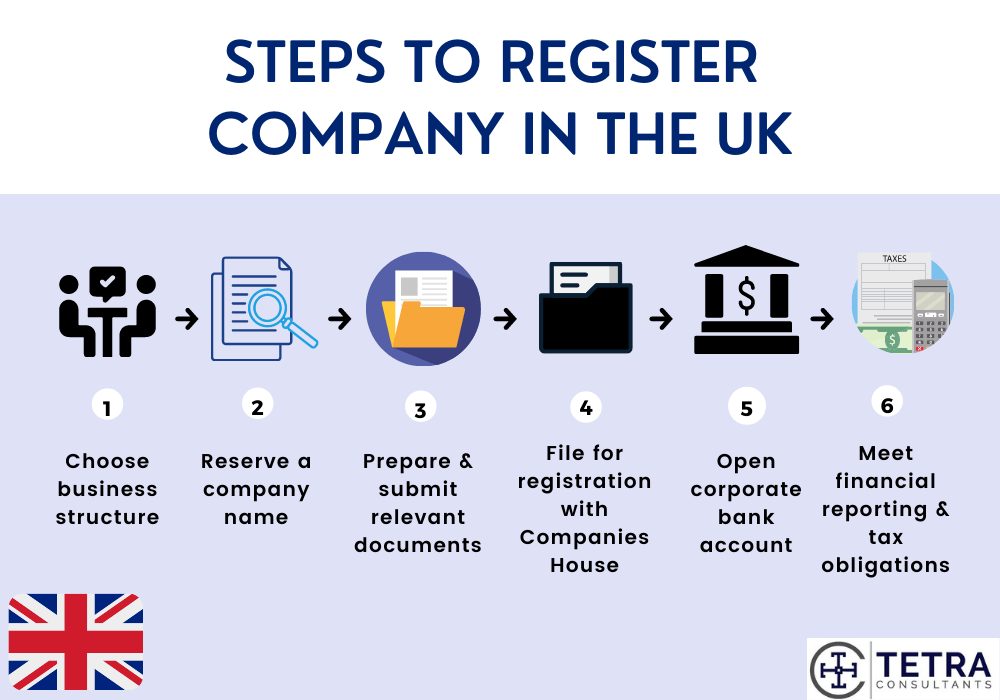
Basic Steps in Registering a Company in the UK
- Choose a suitable company name and ensure it is unique and not already in use.
- Decide on the company’s structure, such as a limited liability company (Ltd) or a partnership.
- Appoint at least one director and a company secretary (optional).
- Prepare the necessary company documents, including the Memorandum and Articles of Association.
- Register the company with Companies House and provide all required information.
- Open a business bank account and comply with tax obligations.
Requirements for Expats Registering a Company in the UK
- Have a UK address where the company is registered.
- Appoint at least one director who is a UK resident or has a valid UK work permit.
- Obtain a unique Taxpayer Reference (UTR) number from HM Revenue and Customs.
- Ensure compliance with UK business laws and regulations.
Benefits of Registering a Company in the UK as an Expat
- Access to a stable and well-established business environment.
- Opportunities for growth and expansion within the UK and internationally.
- Potential tax advantages and incentives for businesses operating in the UK.
- Enhanced credibility and reputation for your business in the global market.
- Ability to take advantage of the UK’s skilled workforce and diverse market opportunities.
Choosing the Type of Company

When registering a company in the UK as an expat, it is essential to carefully consider the type of company structure that best suits your business needs. There are several options available, each with its own set of advantages and disadvantages.
Understanding these differences will help you make an informed decision.
Different Types of Company Structures
- 1. Sole Trader: A business owned and operated by one individual. The owner is personally liable for the company’s debts.
- 2. Partnership: A business owned and operated by two or more individuals who share profits and losses.
- 3. Limited Liability Company (LLC): A separate legal entity where the owner’s liability is limited to the amount they have invested.
- 4. Public Limited Company (PLC): A company that can offer shares to the public and has more regulatory requirements.
Advantages and Disadvantages for Expats
- Sole Trader:Advantages include simplicity and full control, but disadvantages include unlimited personal liability.
- Partnership:Advantages include shared responsibilities and resources, but disadvantages include potential conflicts and shared liabilities.
- Limited Liability Company (LLC):Advantages include limited personal liability and tax benefits, but disadvantages include more administrative requirements.
- Public Limited Company (PLC):Advantages include access to public funding and prestige, but disadvantages include complex regulatory compliance and public scrutiny.
Determining the Most Suitable Company Structure
To determine the most suitable company structure for your business as an expat, consider factors such as liability protection, tax implications, administrative requirements, and long-term business goals. Consulting with a legal or financial advisor can also help you make an informed decision based on your specific needs and circumstances.
Step-by-Step Registration Process

Starting a company in the UK as an expat may seem daunting, but with the right guidance, the process can be smooth and efficient. Below is a detailed step-by-step guide to help you navigate through the registration process successfully.
Documentation Required for Company Registration
When registering a company in the UK as an expat, you will need to gather the following essential documents:
- Proof of identity, such as a passport or national identity card.
- Proof of address, which can be a recent utility bill or bank statement.
- Details of company directors and shareholders, including names, addresses, and contact information.
- Memorandum and Articles of Association, outlining the company’s structure and rules.
- Confirmation statement confirming key company details, such as shareholders and directors.
- Bank statement or utility bill for the company’s registered office address.
Make sure all your documentation is accurate and up to date to avoid any delays in the registration process.
Tips for Navigating the Registration Process
- Research and understand the different types of company structures available in the UK to determine which best suits your business needs.
- Choose a unique and memorable company name that complies with UK regulations and is available for registration.
- Consider seeking professional assistance from a company formation agent or accountant to ensure all legal requirements are met.
- Complete all necessary paperwork accurately and submit it to Companies House along with the required fees.
- Stay organized and keep track of important deadlines and filing requirements to maintain compliance with UK company law.
Legal and Compliance Considerations: Step-by-Step UK Company Registration For Expats
When registering a company in the UK as an expat, there are several legal obligations that you need to be aware of to ensure compliance with UK regulations. Understanding these requirements will help you run your business smoothly and avoid any legal issues in the future.
Taxation Requirements
- Expats need to register for taxes with HM Revenue & Customs (HMRC) and obtain a Unique Taxpayer Reference (UTR) number.
- Ensure timely filing of corporate tax returns and payment of taxes to HMRC.
- Consider VAT registration if your company’s taxable turnover exceeds the threshold set by HMRC.
Accounting Standards
- Maintain accurate financial records in accordance with UK accounting standards.
- Prepare annual financial statements that comply with the Companies Act and submit them to Companies House.
- Engage a qualified accountant to handle your company’s financial matters and ensure compliance with accounting regulations.
Reporting Obligations
- File annual accounts and an annual confirmation statement with Companies House within the prescribed deadlines.
- Provide accurate information about your company’s ownership, officers, and activities to Companies House and HMRC.
- Comply with the General Data Protection Regulation (GDPR) if your company processes personal data of UK residents.
Regulatory Compliance, Step-by-Step UK Company Registration for Expats
- Stay informed about changes in UK laws and regulations that may affect your business operations.
- Implement robust internal controls and governance structures to ensure compliance with all legal requirements.
- Seek legal advice or consult with professionals to address any compliance issues and mitigate risks effectively.
End of Discussion
In conclusion, Step-by-Step UK Company Registration for Expats equips you with the knowledge and tools needed to navigate the complex world of company registration in the UK successfully. With a clear understanding of the requirements and processes, expats can confidently embark on their entrepreneurial journey in the UK.
Clarifying Questions
What are the basic steps for UK company registration as an expat?
First, you need to choose the type of company, gather the required documentation, and follow the step-by-step registration process.
What types of company structures are available for expats in the UK?
Expats can choose from structures like limited liability partnerships, private limited companies, or sole proprietorships.
What legal obligations do expats need to consider during company registration in the UK?
Expats must comply with taxation, accounting, and reporting requirements to ensure legal and regulatory compliance.