How to Choose the Right Business Structure in the UK as an Expat sets the stage for this enthralling narrative, offering readers a glimpse into a story that is rich in detail with motivational lecture style and brimming with originality from the outset.
Embarking on a journey to establish a business in the UK as an expat comes with a myriad of legal, tax, liability, and residency considerations. Making the right choice in selecting the appropriate business structure is crucial for success and compliance.


Legal Business Structures in the UK
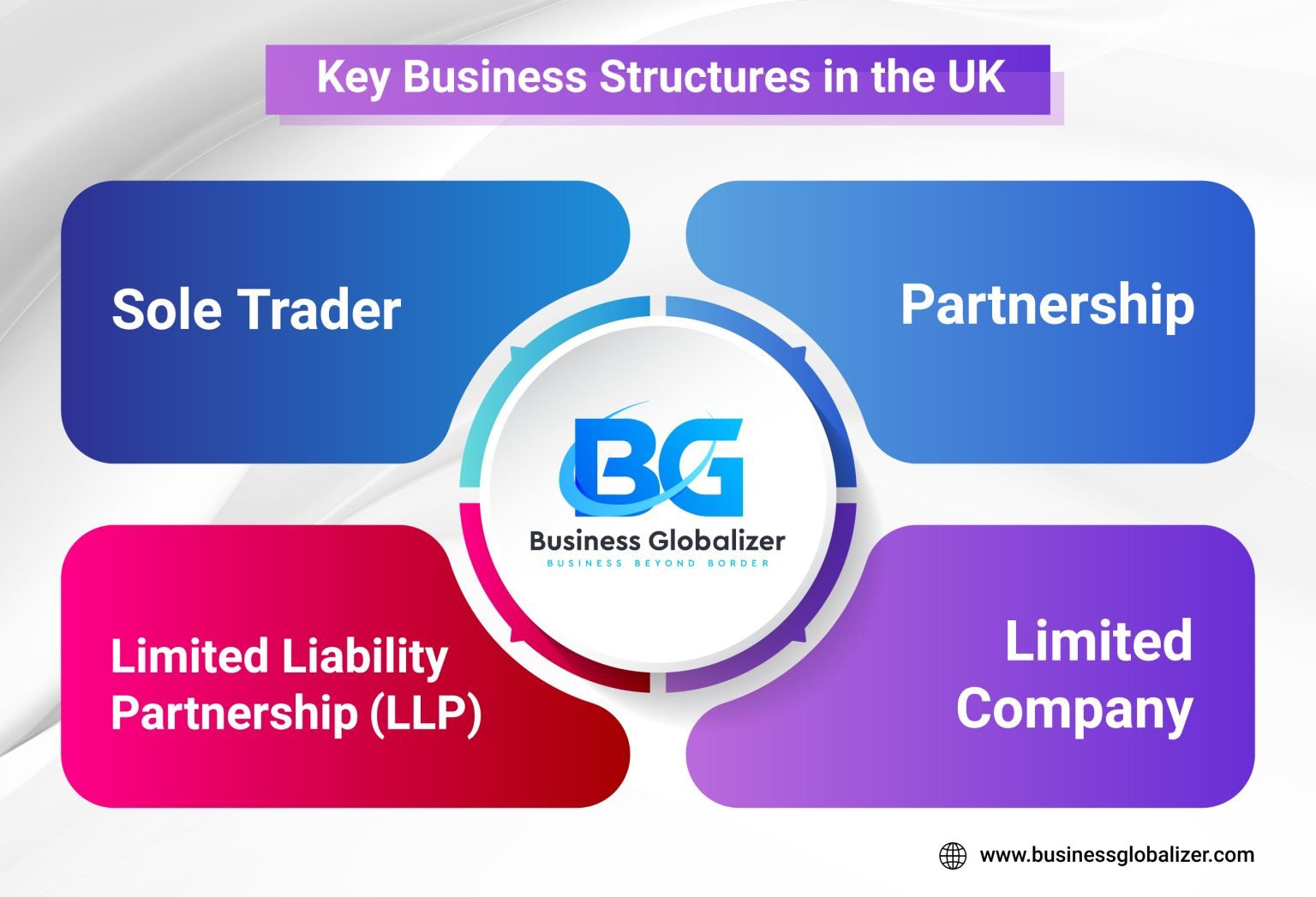
When setting up a business in the UK as an expat, it is crucial to understand the different legal business structures available to choose the one that best suits your needs and goals.
Sole Proprietorship
- A sole proprietorship is the simplest form of business structure where the business is owned and operated by one individual.
- The owner has full control over the business and receives all profits but is also personally liable for any debts or legal actions against the business.
- Easy to set up and maintain, with fewer legal requirements compared to other structures.
Partnership
- A partnership involves two or more individuals sharing ownership and responsibilities of the business.
- Partners share profits and losses, and each partner is personally liable for the business’s debts and obligations.
- Requires a partnership agreement outlining roles, responsibilities, profit-sharing, and decision-making processes.
Limited Liability Partnership (LLP)
- An LLP combines elements of a partnership and a limited company, providing limited liability protection to its members.
- Members are not personally liable for the LLP’s debts and obligations beyond their investment in the business.
- Requires registration with Companies House and compliance with regulations governing LLPs.
Limited Company, How to Choose the Right Business Structure in the UK as an Expat
- A limited company is a separate legal entity from its owners, providing limited liability protection to shareholders.
- Shareholders are not personally liable for the company’s debts, and their liability is limited to the amount unpaid on their shares.
- Requires registration with Companies House, compliance with company law, and filing annual accounts and returns.
Tax Considerations
When choosing a business structure in the UK as an expat, it is crucial to consider the tax implications of each option. Different business structures are subject to varying tax rates, rules, and benefits, which can significantly impact your financial situation.
Understanding the tax considerations can help you make an informed decision and ensure tax efficiency in your business operations.
Tax Implications of Each Business Structure
- Sole Trader: As a sole trader, you are personally liable for the business’s taxes. You will pay income tax and National Insurance on your profits.
- Limited Company: A limited company pays corporation tax on its profits, which can be more tax-efficient compared to being a sole trader.
- Partnership: In a partnership, each partner pays income tax on their share of the profits. It is essential to have a clear partnership agreement outlining the tax responsibilities of each partner.
Tax-Efficient Business Structures for Expats
- For expats looking for tax efficiency, setting up a limited company can be advantageous. Limited companies often benefit from lower tax rates and more tax planning opportunities compared to other business structures.
- Choosing a business structure that allows you to take advantage of tax reliefs and allowances available for expats can also help optimize your tax position.
VAT Registration and Compliance
- When it comes to VAT registration and compliance, the business structure you choose can impact your obligations. A limited company must register for VAT if its taxable turnover exceeds the VAT threshold, currently set at £85,000.
- As a sole trader or partnership, you may also need to register for VAT if your turnover surpasses the threshold. Understanding the VAT requirements based on your chosen business structure is essential to ensure compliance with HMRC regulations.
Liability and Risk Management: How To Choose The Right Business Structure In The UK As An Expat
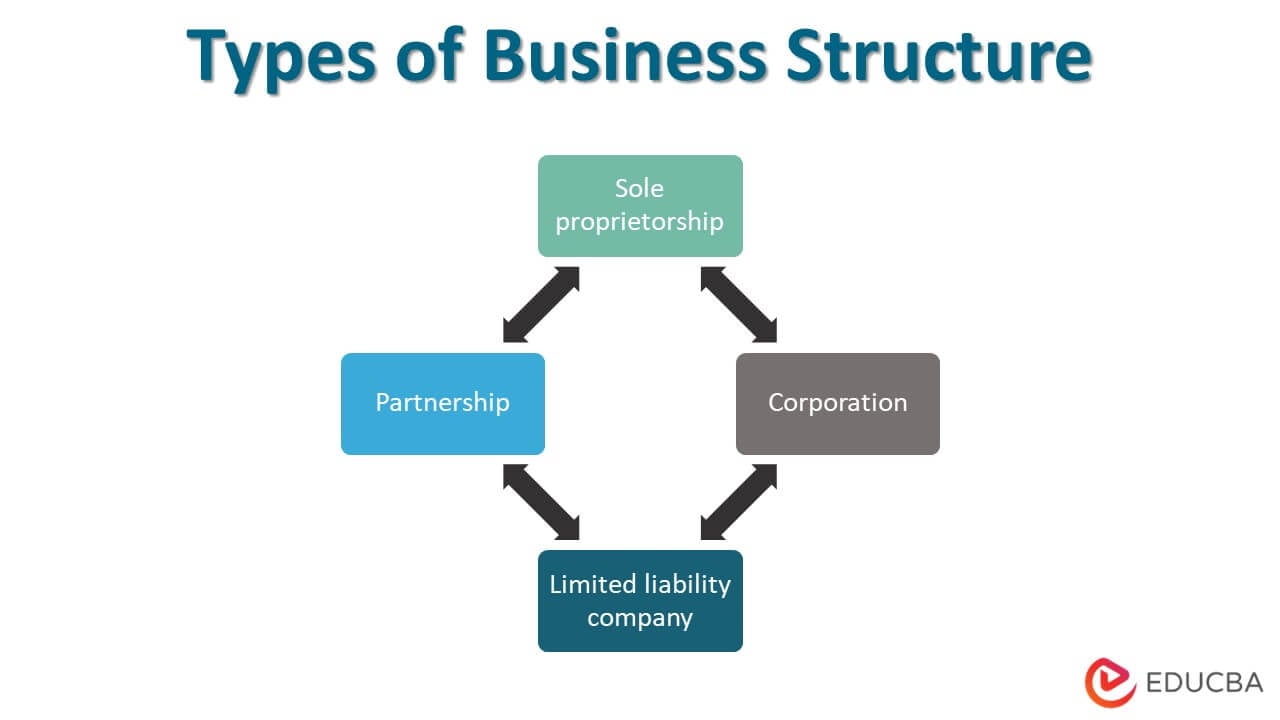
When choosing a business structure in the UK as an expat, it is crucial to consider how each type of structure impacts personal liability and risk management. Different business structures offer varying levels of protection for the owner’s personal assets in case of legal issues or financial difficulties.
Limited Liability Company
- A limited liability company (LLC) is a popular choice for expats as it provides protection for personal assets. The owner’s liability is limited to the amount invested in the company, shielding personal assets from business debts and legal claims.
- Example: If an expat owns an LLC and the business faces a lawsuit resulting in significant debt, the owner’s personal savings and property are generally protected.
Sole Proprietorship
- In a sole proprietorship, the business owner and the business are considered the same legal entity. This means that the owner is personally liable for all business debts and legal obligations.
- Example: If an expat operates a sole proprietorship and the business defaults on a loan, creditors can go after the owner’s personal assets to settle the debt.
Partnership
- In a general partnership, each partner is personally liable for the business’s debts and legal obligations. This includes joint and several liability, where each partner can be held fully responsible for the actions of the other partners.
- Example: If an expat is part of a general partnership and one partner makes a costly mistake, all partners can be held accountable for the financial consequences.
Residency and Visa Requirements

When choosing the right business structure in the UK as an expat, it is crucial to consider how it can impact your residency and visa requirements. The type of business you establish can have significant implications on your ability to stay and work in the country legally.Expat entrepreneurs must understand the connection between business ownership and visa eligibility.
Certain visa categories may require individuals to demonstrate a certain level of investment in a UK-based business or to hold a specific role within the company. Therefore, selecting the appropriate business structure is essential to meet these visa requirements and maintain legal status in the UK.
Impact of Business Structure on Residency Goals
- Entrepreneurs looking to obtain a Tier 1 Entrepreneur Visa may need to establish a business that meets the investment threshold set by the UK government.
- Operating as a sole trader or a partnership might not provide the necessary credibility or stability required for certain visa applications.
- Choosing a limited company structure can offer more protection and legitimacy, which can positively impact visa applications.
- Consider consulting with immigration experts or legal advisors to ensure that your business structure aligns with your residency goals and visa requirements.
Ending Remarks
As you navigate the complexities of choosing the right business structure in the UK as an expat, remember that informed decisions pave the way for a thriving venture. Stay diligent, seek expert guidance when needed, and embark on this entrepreneurial journey with confidence.
FAQ Compilation
What are the tax implications of each business structure in the UK?
The tax implications vary based on the chosen business structure. It’s essential to understand these implications to optimize tax efficiency.
How does the choice of business structure impact residency and visa requirements for expats in the UK?
The business structure chosen can have implications on residency and visa requirements, as it may affect eligibility criteria.
